
Announcing the 2026 Gairdner Early Career Investigators

The Gairdner Foundation is pleased to announce the winners of the 2026 Gairdner Early Career Investigators (ECI) competition.
.png?sfvrsn=5246ffa_1 "ECI Group EN (3)")
Annually, the Gairdner Foundation invites early career investigators across Canada to apply to present their research as part of Gairdner Science Week events in October. The 2026 Canada Gairdner Award laureates have selected these six investigators who will present their research alongside them during Gairdner Science Week 2026 events from October 19-23. Congratulations to the winners! Read more about them below.
Registration is now open for all Gairdner Science Week events here.
Dr. Bahaa Abu-Raya, MD, PhD
Clinician-Scientist, Canadian Center for Vaccinology, Department of Pediatrics, IWK Health, Dalhousie University, Halifax, Nova Scotia
Selected by: John D. Clemens and Jan Holmgren (2026 John Dirks Canada Gairdner Global Health Award laureates)
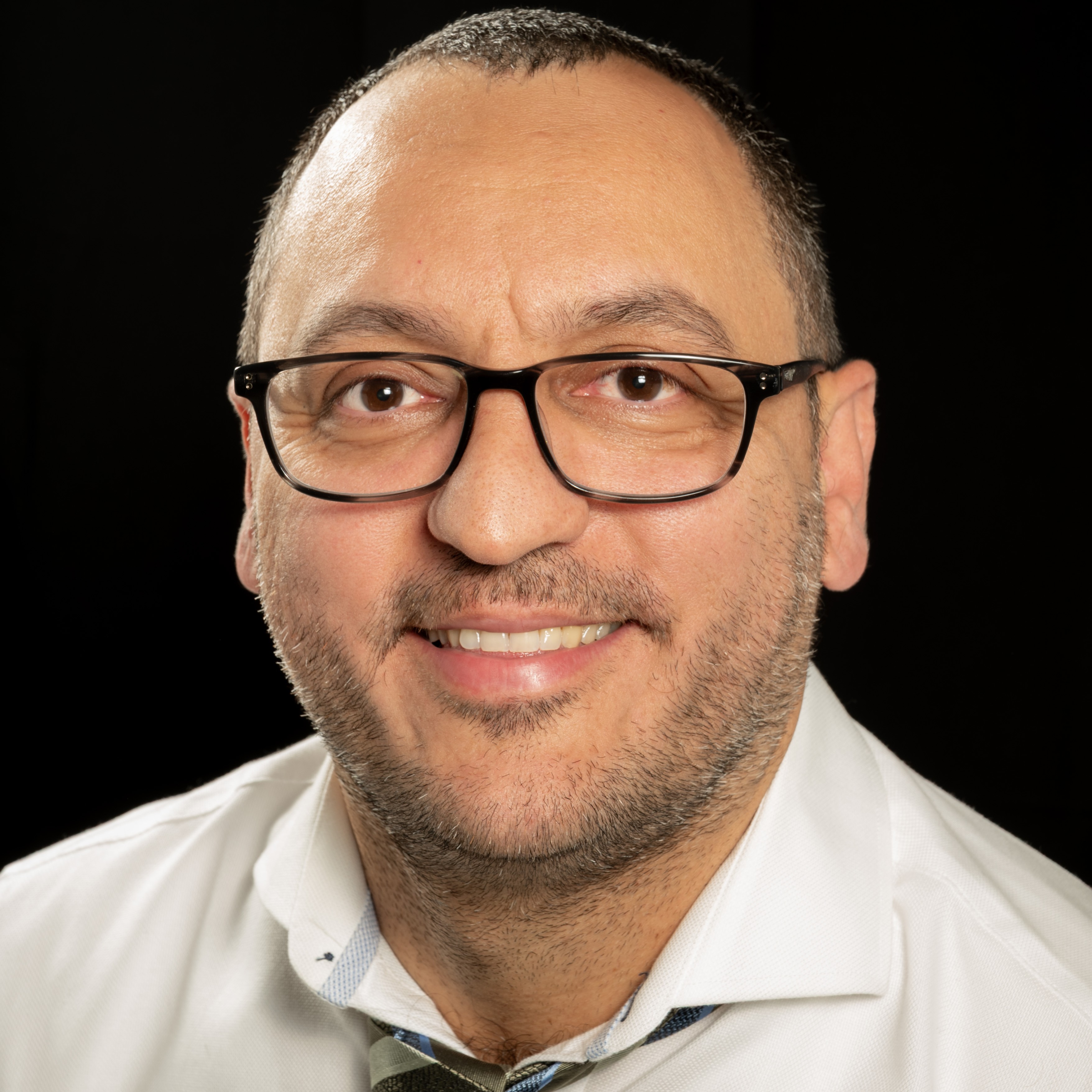
Bahaa Abu-Raya, MD, PhD, is a Pediatric Infectious Diseases Clinician-Scientist at the Canadian Center for Vaccinology, IWK Health, and Dalhousie University. His research has focused primarily on maternal immunization, and many of the studies he has led have contributed to practice-changing immunization policies in Canada and several other countries.
Dr. Abu-Raya’s research team and laboratory at the Canadian Center for Vaccinology use cutting-edge laboratory assays to measure the functions of antibodies induced following vaccination and infection. This approach, known as systems serology, is used to answer translational questions in the field of vaccinology. While his primary research focus has been vaccination in pregnancy, his current projects explore protective antibody responses following infection and vaccination in the context of pandemic preparedness.
Dr. Abu-Raya has received several national and international awards, including the prestigious European Society for Paediatric Infectious Diseases Young Investigator Award for Basic Science. He was also invited as an expert in vaccination during pregnancy to lead an international group in developing consensus guidelines for the Global Pertussis Initiative and the Vaccine Study Group of the European Society of Clinical Microbiology and Infectious Diseases.
With more than 80 peer-reviewed publications, including in leading journals such as The Lancet Infectious Diseases and JAMA, Dr. Abu-Raya also mentors master's and PhD students, as well as postdoctoral research fellows, at Dalhousie University.
“I am deeply humbled and honoured to be selected by Gairdner Laureates Drs. John Clemens and Jan Holmgren to receive the Gairdner Early Career Award. The pioneering work by Drs. John Clemens and Jan Holmgren has transformed the global control of cholera with the development and evaluation of the first effective oral cholera vaccine that enabled cholera control around the world. The Gairdner Awards are among the world’s most prestigious biomedical prizes, recognizing outstanding scientific contributions that improve human health. Being recognised by the Laureates asserts the importance of the science I have pursued and am currently conducting at the Canadian Center for Vaccinology. This opportunity does not reflect recognition of only my own work, but rather the team effort. Science is a collaborative endeavour.”
Dr. Ann Gregory, PhD
Assistant Professor, Canada Research Chair Tier II, and CIFAR Azrieli Global Scholar, Department of Biological Sciences, University of Calgary, Calgary, Alberta
Selected by: Karen Maxwell (2026 Peter Gilgan Canada Gairdner Momentum Award laureate)
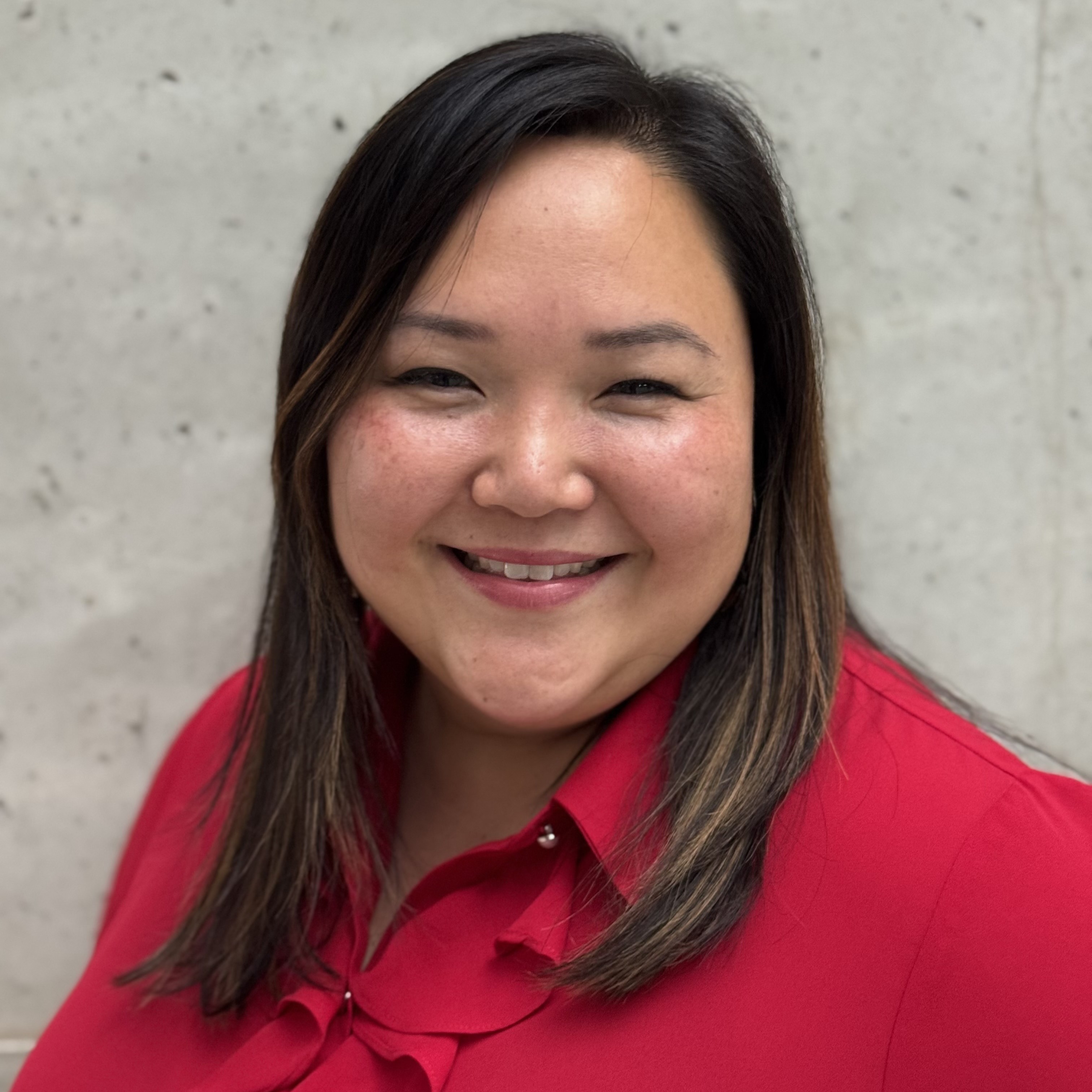
Dr. Ann Gregory, PhD, is an Assistant Professor in the Department of Biological Sciences at the University of Calgary, where she holds a Canada Research Chair Tier II in Viromics & One Health and is a CIFAR Azrieli Global Scholar. Dr. Gregory received her PhD in Microbiology from The Ohio State University, followed by an EMBO Postdoctoral Fellowship at VIB-KU Leuven in Belgium. She then worked as a computational biologist at the gene therapy company Aera Therapeutics in Boston before returning to academia in 2024 to establish the Integrative Viromics Lab.
Dr. Gregory's research aims to uncover the viral diversity hidden from traditional discovery methods and understand how viruses shape microbial ecosystems and human health. Her laboratory combines artificial intelligence, protein structure prediction, genomics, and experimental biology to discover previously unknown viruses, map their distribution across the human body, and develop resources that advance phage- and microbiome-based therapies.
Beyond her research, Dr. Gregory is passionate about science outreach. She partners with TELUS Spark Science Centre and the Royal Canadian Institute for Science to develop public engagement programs, including Brew Lab, which brings scientists into local breweries to make research accessible to the public.
“Being selected by a Gairdner Laureate is a tremendous honour and an exciting milestone in my career. Dr. Karen Maxwell's discoveries have transformed our understanding of bacteriophages, making this recognition particularly meaningful as I build a research program focused on viral discovery and phage biology. I am especially looking forward to networking with the Gairdner Laureates and fellow Early Career Investigators, learning from their experiences, and discussing new ideas within a community advancing significant scientific progress. I am equally looking forward to contributing to Gairdner’s outreach activities, sharing my passion for science with the next generation of researchers.”
Prof. Dustin King, PhD
Assistant Professor, Department of Molecular Biology and Biochemistry, Simon Fraser University, Burnaby, British Columbia
Selected by: John R. Yates III, Ruedi Aebersold and Matthias Mann (2026 Canada Gairdner International Award laureates)
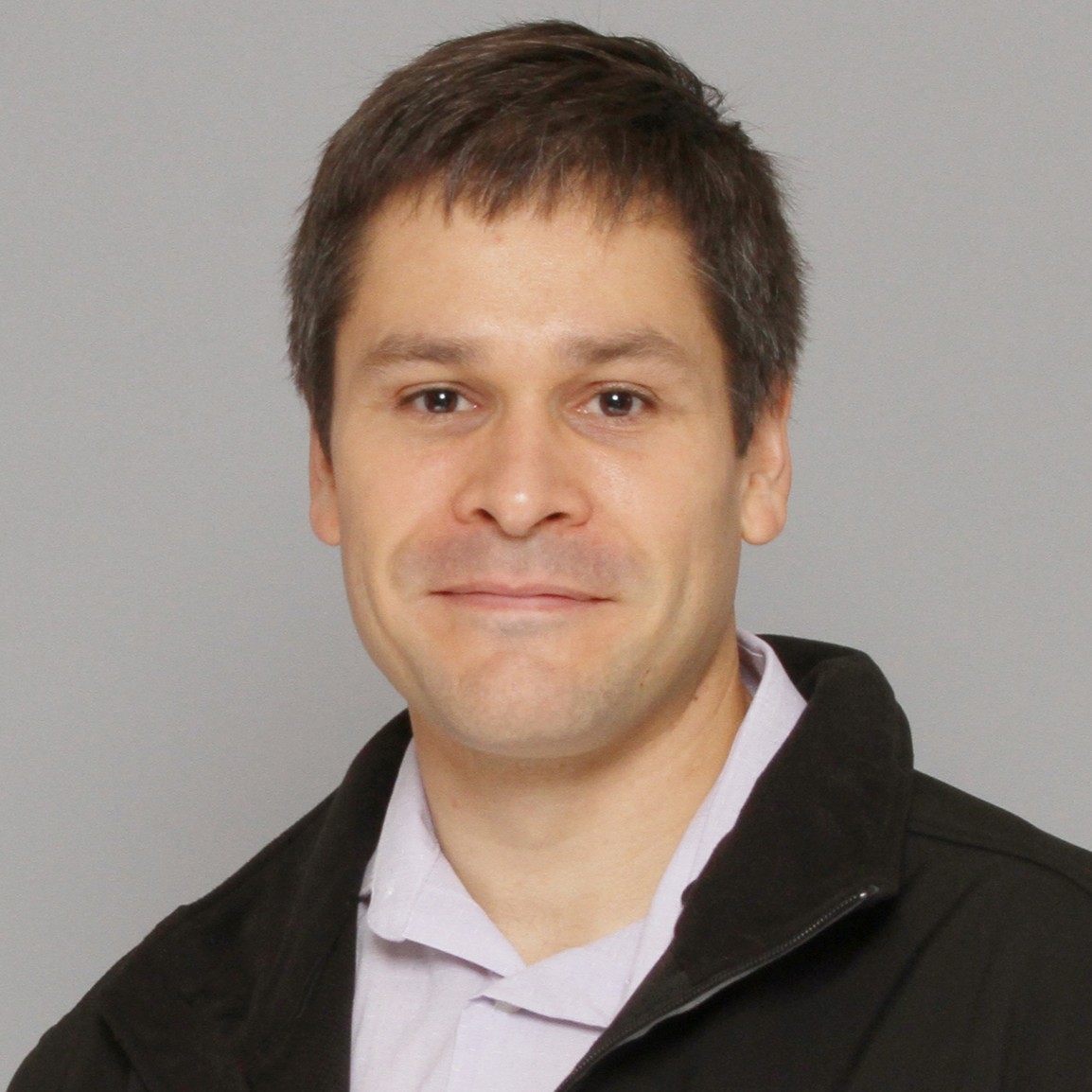
Prof. Dustin King, PhD, is an Assistant Professor in the Department of Molecular Biology and Biochemistry at Simon Fraser University. His research develops chemoproteomic methods to discover CO₂-mediated protein modifications and elucidate their roles in cellular sensing and adaptation.
Dr. King completed his PhD in 2016 under the supervision of Professor Natalie Strynadka at the University of British Columbia, where he investigated the structural mechanisms of bacterial antibiotic resistance. From 2016 to 2022, he conducted postdoctoral research in the laboratory of Professor David Vocadlo at Simon Fraser University, developing methods to detect and map labile post-translational modifications across the proteome.
In 2022, Dr. King established his research group at Simon Fraser University. His laboratory combines chemical biology, mass spectrometry, and biochemistry to identify reactive metabolites and elucidate the mechanisms by which they regulate protein function and cellular adaptation. His research aims to reveal the fundamental mechanisms of CO₂ sensing across diverse organisms, with implications for bacterial adaptation and virulence.
“Being selected by Drs. Aebersold, Mann, and Yates is an extraordinary honour. Together, they established the foundations of modern proteomics through innovations in mass spectrometry and computational analysis. They demonstrated that precision in measurement reveals biological complexity and unlocks new understanding of cellular processes. Their legacy is greatly inspiring, and I'm looking forward to connecting with the laureates and the broader Gairdner community.”Dr. Tammy Ryan
Assistant Professor, Libin Cardiovascular Institute, University of Calgary, Calgary, Alberta
Selected by: Jeffery W. Kelly (2026 Canada Gairdner International Award laureate)
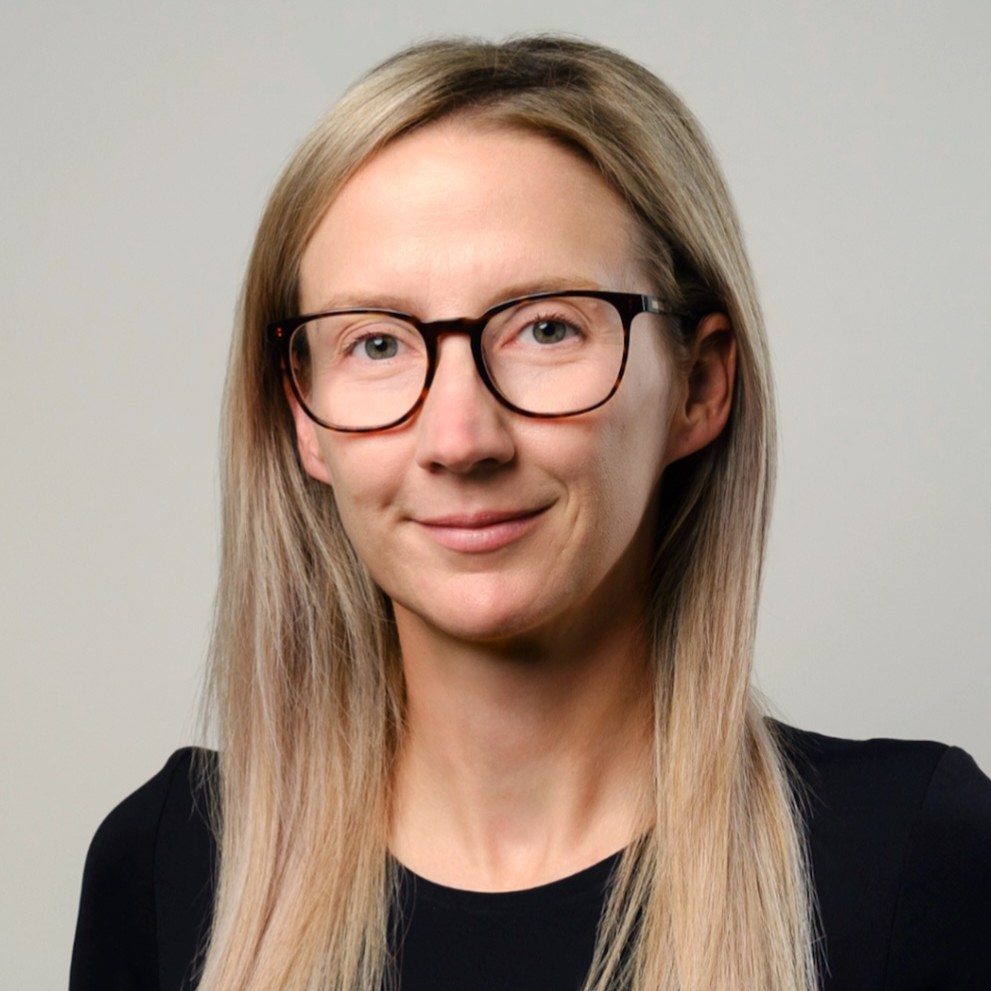
Dr. Tammy Ryan is an Assistant Professor in the Libin Cardiovascular Institute at the University of Calgary. She completed a PhD in Biochemistry at the University of Ottawa, followed by postdoctoral training at the Sanford Burnham Prebys Institute in California. Her graduate and early postdoctoral work focused on the mechanisms of cardiac differentiation in pluripotent stem cells. This research contributed to our understanding of the bimodal effects of Wnt signaling in cardiomyogenesis through its ability to regulate the subcellular localization of a critical transcription factor.
Dr. Ryan then attended medical school at the University of Toronto, followed by residencies in Internal Medicine and Cardiology at McMaster University. She recently completed a clinical fellowship in Cardiac Electrophysiology at the University of Calgary, where she has since accepted a position as a clinician-scientist. Throughout her medical training, her research interests shifted to the biology of amyloid and its effects on cell function. Her work contributed to our understanding of the toxicity evoked by α-synuclein in a stem cell model of Parkinson’s disease.
Dr. Ryan’s current research focuses on the earliest steps of transthyretin amyloid cardiomyopathy. Her work examines how the extracellular matrix contributes to the destabilization and deposition of transthyretin, as well as its link with atrial fibrillation.
“I am incredibly grateful and honoured to have been selected by Dr. Jeffery Kelly to join this year’s cohort of Gairdner Early Career Investigators. I remember attending the Gairdner lectures when I was in graduate school and the excitement surrounding them every year. As a clinician-scientist with an interest in transthyretin amyloid cardiomyopathy, I have seen firsthand the impact of Dr. Kelly’s work. His career has truly spanned from the bench to the bedside. His incredible body of work on the structure of transthyretin forms the foundation of the field. At the same time, I care for patients whose quality of life has been directly impacted by tafamidis, the treatment he brought from the lab to the clinic and for which he is being recognized with a Gairdner award. Seeing how chemistry can take us all the way from protein structure and function to treating illness has been so meaningful for me and reflects the kind of translational science I hope to build in my own career. I am excited to meet Dr. Kelly as well as the other Gairdner Laureates and Early Career Investigators to share ideas and experiences.”
Dr. Rajae Talbi, PhD
Assistant Professor, Department of Pharmacology and Physiology, Institut Courtois d’innovation biomédicale (CI²B), University of Montreal, Montreal, Quebec
Selected by: Aaron Phillips (2026 Peter Gilgan Canada Gairdner Momentum Award laureate)
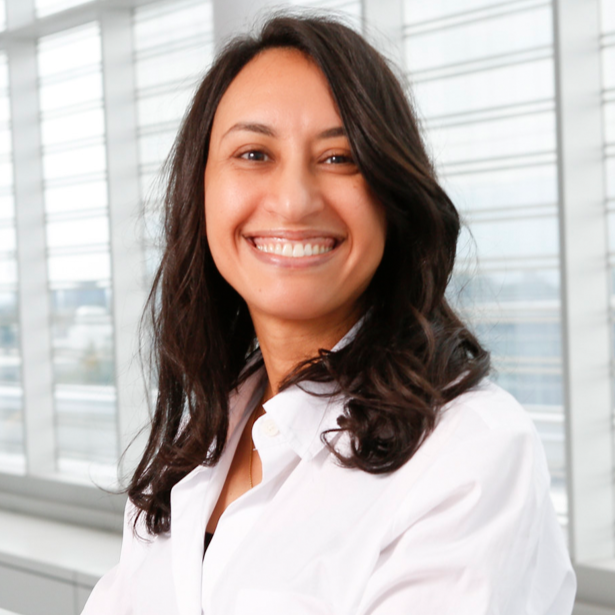
Rajae Talbi is a PhD neuroendocrinologist and Assistant Professor in the Department of Pharmacology and Physiology at the University of Montreal, and a Principal Investigator at the Institut Courtois d’innovation biomédicale (CI²B). Her research investigates how the brain prioritizes and integrates the body’s metabolic and reproductive needs, two tightly interconnected physiological systems essential for survival and species propagation. By defining how the brain integrates metabolic information to balance fertility with whole-body homeostasis, her work seeks to understand why reproductive and metabolic disorders so often occur together.
Her laboratory combines genetic, molecular and systems neuroscience approaches to uncover the brain circuits that coordinate metabolic and reproductive signals. Her research provides fundamental insights into why metabolic disorders can impair fertility and why reproductive transitions profoundly influence metabolism, laying the foundation for future therapeutic advances. Ultimately, her work aims to advance new strategies for reproductive and metabolic disorders, including functional hypothalamic amenorrhea, menopausal hot flushes and metabolic hypogonadism.
Dr. Talbi’s research has been recognized through numerous prestigious awards, including the Lalor foundation fellowship, the Charles A. King fellowship, the Women in Endocrinology Young Investigator Award, the Women’s brain initiative Award, and the IBRO Rising Stars Awards.
“Being selected by a Gairdner Laureate is a tremendous honour. Knowing that the broader vision and potential impact of my research resonate with scientists whose discoveries have transformed biomedical science is both humbling and deeply motivating as I establish my independent research program.”Prof. Michael Wozny, PhD
Assistant Professor, Department of Biochemistry, Microbiology, and Immunology, College of Medicine, University of Saskatchewan; Director of the Protein Characterization and Crystallization Facility, University of Saskatchewan, Saskatoon, Saskatchewan
Selected by: Wolfgang Baumeister (2026 Canada Gairdner International Award laureate)
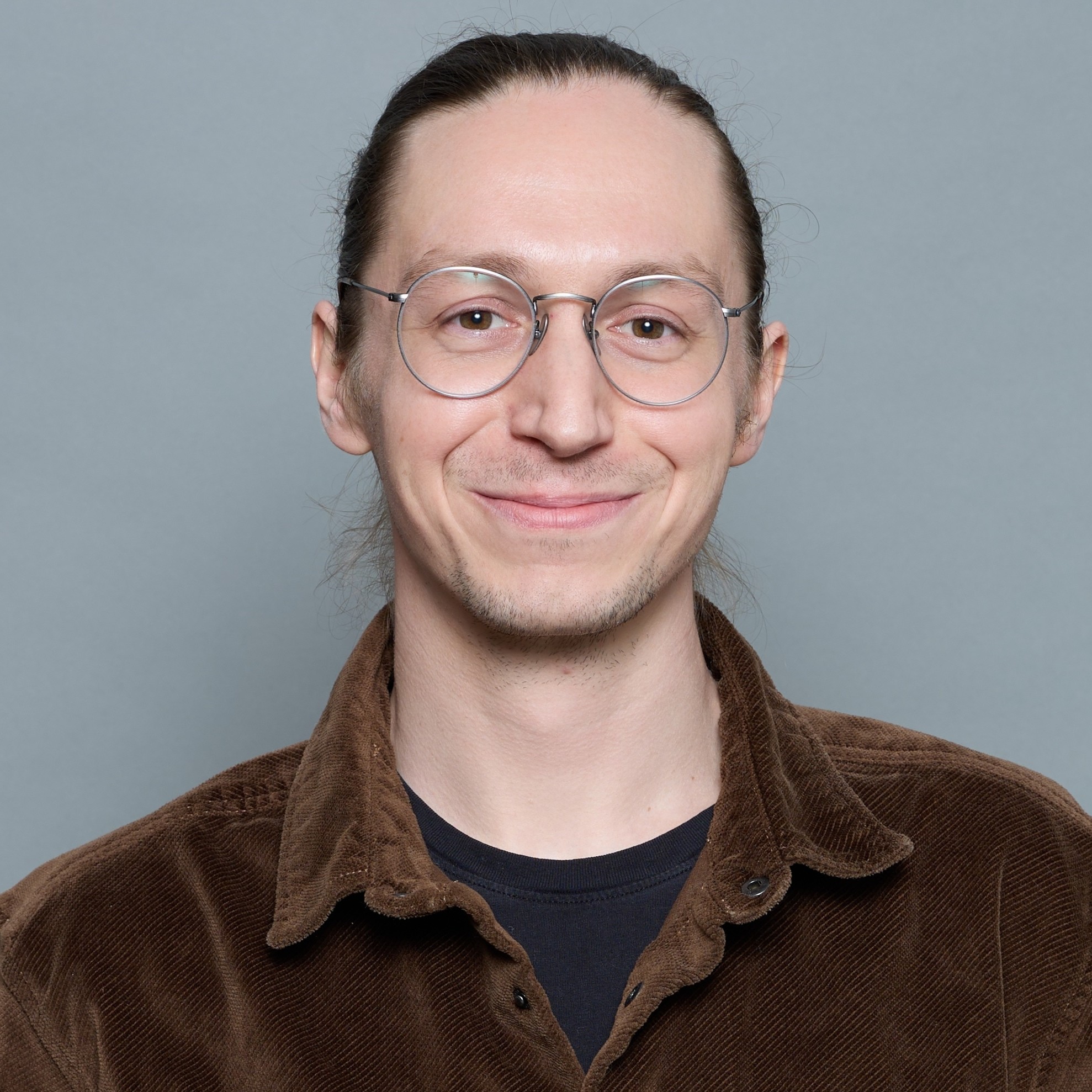
Prof. Michael Wozny, PhD, trailblazed the first "on-lamella" imaging workflow by combining cryo-focused ion beam (cryo-FIB) milling, cryo-correlative light and electron microscopy (cryo-CLEM), and cryo-electron tomography (cryo-ET). Using this workflow, he established the in situ architecture of the ER-mitochondria encounter structure (ERMES) in yeast, revealing the spatial organization of ERMES at the nanometre scale and identifying a route for lipid transport between the ER and mitochondria.
As an Early Career Investigator at the University of Saskatchewan, Prof. Wozny is extending these workflows to investigate mitochondria-ER contact sites in human and animal cells, where the mitochondrial antiviral signalling (MAVS) protein coordinates antiviral defence during RNA virus infection. By integrating cryo-CLEM, high-throughput cryo-ET and subtomogram averaging with whole-cell cryo-scanning transmission X-ray microscopy (cryo-STXM), available at the nearby Canadian Light Source, his group is building multi-scale structural atlases of in situ host-pathogen assemblies to inform vaccine design, antiviral drug development, and pandemic preparedness.
“Being selected by one of this year's Gairdner Laureates, Wolfgang Baumeister, is both humbling and inspiring. I appreciate that my scientific contributions are a small progression of their legacy and that of innumerable scientists who developed the fields of cell biology and structural biology, which are now crossing over. I feel inspired to be selected as it recognises my small contributions to these fields and my potential to make substantial advances in the future, just as these laureates have. I'm looking forward to making personal connections with the people who have driven these fundamental changes in our collective knowledge as well as future leaders who are being recognised as Gairdner Early Career Investigators.”
Related Winners
-
a541199f-d0b6-43cc-94d3-fb0e8d2aa1d6.tmb-cfthumb_fb.jpg?Culture=en&sfvrsn=cc18abc0_1)
Ruedi Aebersold
Professor Emeritus, Molecular Systems Biology, Institute of Molecular Systems Biology, Department of Biology, ETH Zurich, Switzerland -
ef1190a1-9798-4645-b23e-03dfa1ab9da1.tmb-cfthumb_fb.jpg?Culture=en&sfvrsn=3fba8967_1)
Wolfgang Baumeister
Director Emeritus and Scientific Member, Max-Planck-Institute of Biochemistry, Martinsried, Germany; Distinguished Professor, ShanghaiTech University, China -
2d96fa65-0e03-4e84-9f6c-a64a1d81a42e.tmb-cfthumb_fb.jpg?Culture=en&sfvrsn=62dbeff1_1)
John D. Clemens
MD Senior Scientific Advisor to the Director General, International Vaccine Institute, Seoul, South Korea; Adjunct Professor of Epidemiology, UCLA Fielding School of Public Health, Los Angeles, United States -
.tmb-cfthumb_fb.jpg?Culture=en&sfvrsn=9b46cf65_1)
-
-(1).tmb-cfthumb_fb.jpg?Culture=en&sfvrsn=48f39abf_1)
Jeffery W. Kelly
PhD H. Lutcher Brown Professor of Chemistry, Department of Chemistry, Scripps Research, La Jolla, United States -
Matthias Mann
Director of Department of Proteomics and Signal Transduction, Max Planck Institute of Biochemistry, Martinsried, Germany -
.tmb-cfthumb_fb.jpeg?Culture=en&sfvrsn=594ac2c7_1)
Karen Maxwell
Professor, Department of Biochemistry, Temerty Faculty of Medicine, University of Toronto, Canada -
.tmb-cfthumb_fb.jpg?Culture=en&sfvrsn=15537493_1)
Aaron Phillips
Professor, Departments of Clinical Neurosciences, Cardiac Sciences, Physiology and Pharmacology, University of Calgary; Associate Dean, Innovation and Commercialization, Cumming School of Medicine, University of Calgary, Canada -
79ee4d99-6a5c-4eb2-892e-90b07c6aec52.tmb-cfthumb_fb.png?Culture=en&sfvrsn=c200012c_1)
John R. Yates III
PhD John Lytton Young Endowed Chair and Professor, Department of Integrative Structural and Computational Biology, Scripps Research, La Jolla, United States
a541199f-d0b6-43cc-94d3-fb0e8d2aa1d6.tmb-cfthumb_s.webp?Culture=en&sfvrsn=cc18abc0_1)
ef1190a1-9798-4645-b23e-03dfa1ab9da1.tmb-cfthumb_s.webp?Culture=en&sfvrsn=3fba8967_1)
2d96fa65-0e03-4e84-9f6c-a64a1d81a42e.tmb-cfthumb_s.webp?Culture=en&sfvrsn=62dbeff1_1)
.tmb-cfthumb_s.webp?Culture=en&sfvrsn=9b46cf65_1)
-(1).tmb-cfthumb_s.webp?Culture=en&sfvrsn=48f39abf_1)

.tmb-cfthumb_s.webp?Culture=en&sfvrsn=594ac2c7_1)
.tmb-cfthumb_s.webp?Culture=en&sfvrsn=15537493_1)
79ee4d99-6a5c-4eb2-892e-90b07c6aec52.tmb-cfthumb_s.webp?Culture=en&sfvrsn=c200012c_1)
Related event
-
Today
-en3fb73307-c032-4d58-870a-5f29695fd63a.tmb-cfthumb_fb.png?Culture=en&sfvrsn=fb815d55_1) Multi day event
Multi day eventGairdner Science Week 2026
From October 19–23, join us for a dynamic, week-long celebration of cutting-edge research, global health innovation, and the 2026 laureates.
-en3fb73307-c032-4d58-870a-5f29695fd63a.tmb-cfthumb_s.webp?Culture=en&sfvrsn=fb815d55_1)
.tmb-cfthumb_s.webp?Culture=en&sfvrsn=fe14603c_1)
46641d86-1628-452c-930a-2504e3712962.tmb-cfthumb_s.webp?Culture=en&sfvrsn=2b2d0ec9_1)


