
Explore the Science Behind the 2026 Canada Gairdner Awards

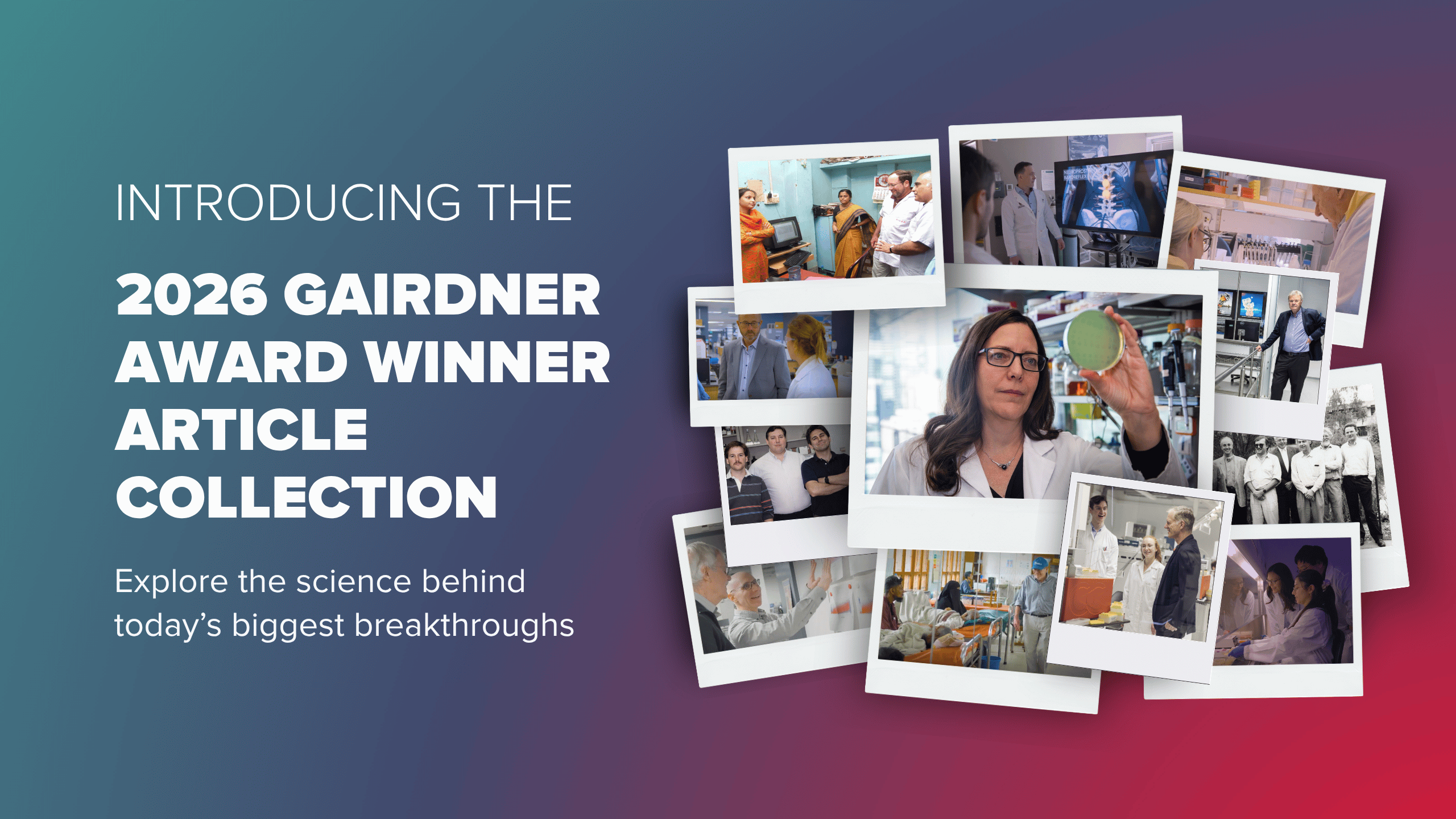
How do you make award-winning science accessible to the next generation of scientists?
The collection is brought to life through illustrations by Heather Ng-Cornish, an Ontario-based illustrator and science communicator. Her clear, colourful visuals help explain key scientific concepts and give readers another way to explore the research behind each Gairdner Award.
Click here to view the full 2026 Gairdner Award Winners Collection!
 |  |  |
Featured articles:
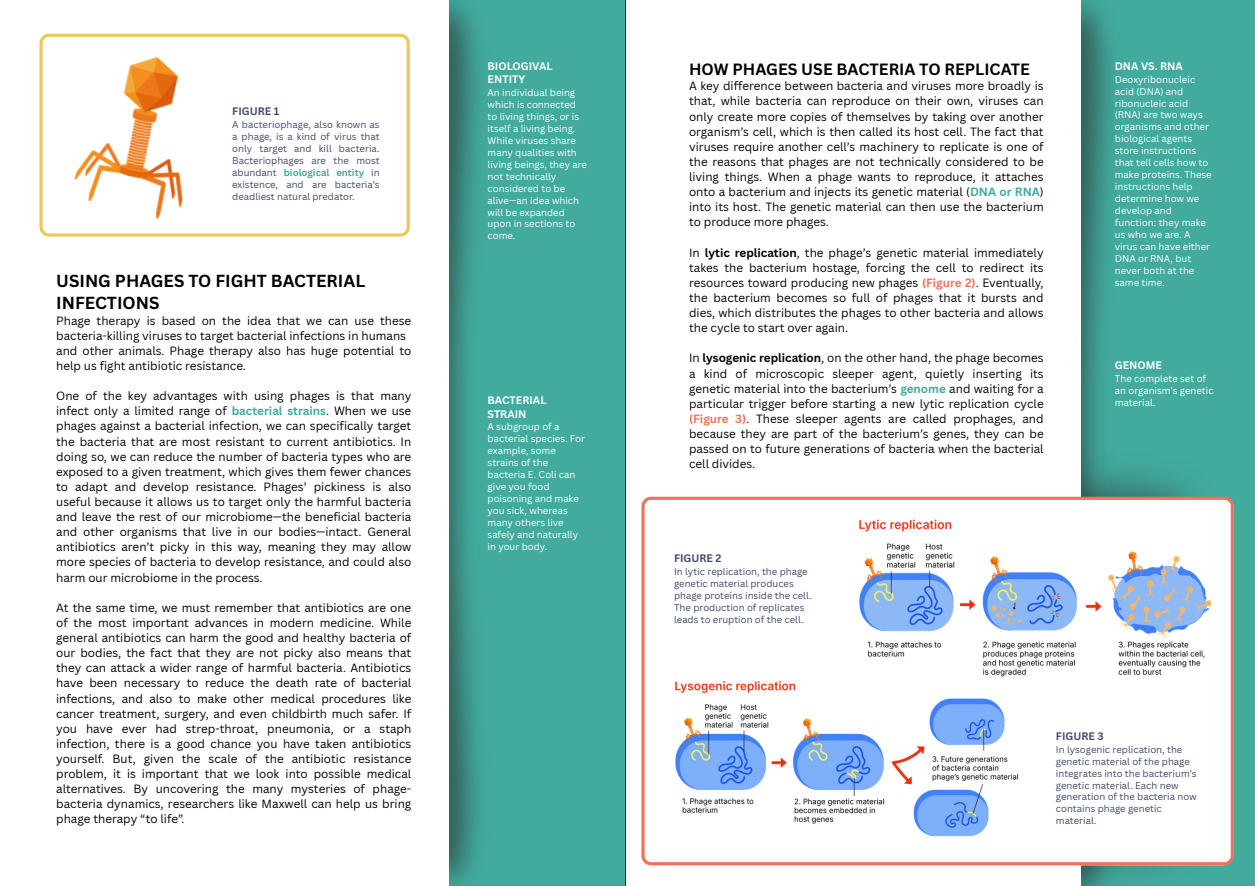
Karen Maxwell - Bacteria vs bacteria-attacking viruses: The fight against antibiotic resistance Karen Maxwell has uncovered crucial details about how bacteria defend themselves against viruses, and how these viruses attack back. Maxwell’s research marks a significant step in the field of phage therapy, which would allow us to target antibiotic-resistant bacteria with the help of bacteria-killing viruses, known as phages.
Aaron Phillips - A shock to the system: Restoring blood pressure function after spinal cord injury
Aaron Phillips’ research aims to help people with spinal cord injuries (SCI) reduce the challenges and risks associated with blood pressure dysfunction—a common but often overlooked complication of SCI. Over the course of several studies, Phillips identified which specific regions of the nervous system are most important for blood pressure regulation. From there, he developed a device that can be implanted in the spinal cord which monitors blood pressure in real time and sends electrical signals to the nervous system, helping to restore normal blood pressure.
Jeffery W. Kelly - Preventing Protein Misfolding: The Battle Against Toxic Protein Clumps
Prof. Jeffery W. Kelly was the first person to develop a medication that successfully slowed the progression of a human amyloid disease—a kind of disease which occurs when our proteins undergo shape or structural changes, allowing them to misassemble and accumulate in clumps throughout the body causing organ damage. Kelly was also the first to show that we can prevent some of the harmful effects of these diseases if we can stop the proteins from undergoing shape changes forming clumps in the first place. Kelly’s work represents a massive step forward in our conceptual understanding and our treatment methods for these diseases.
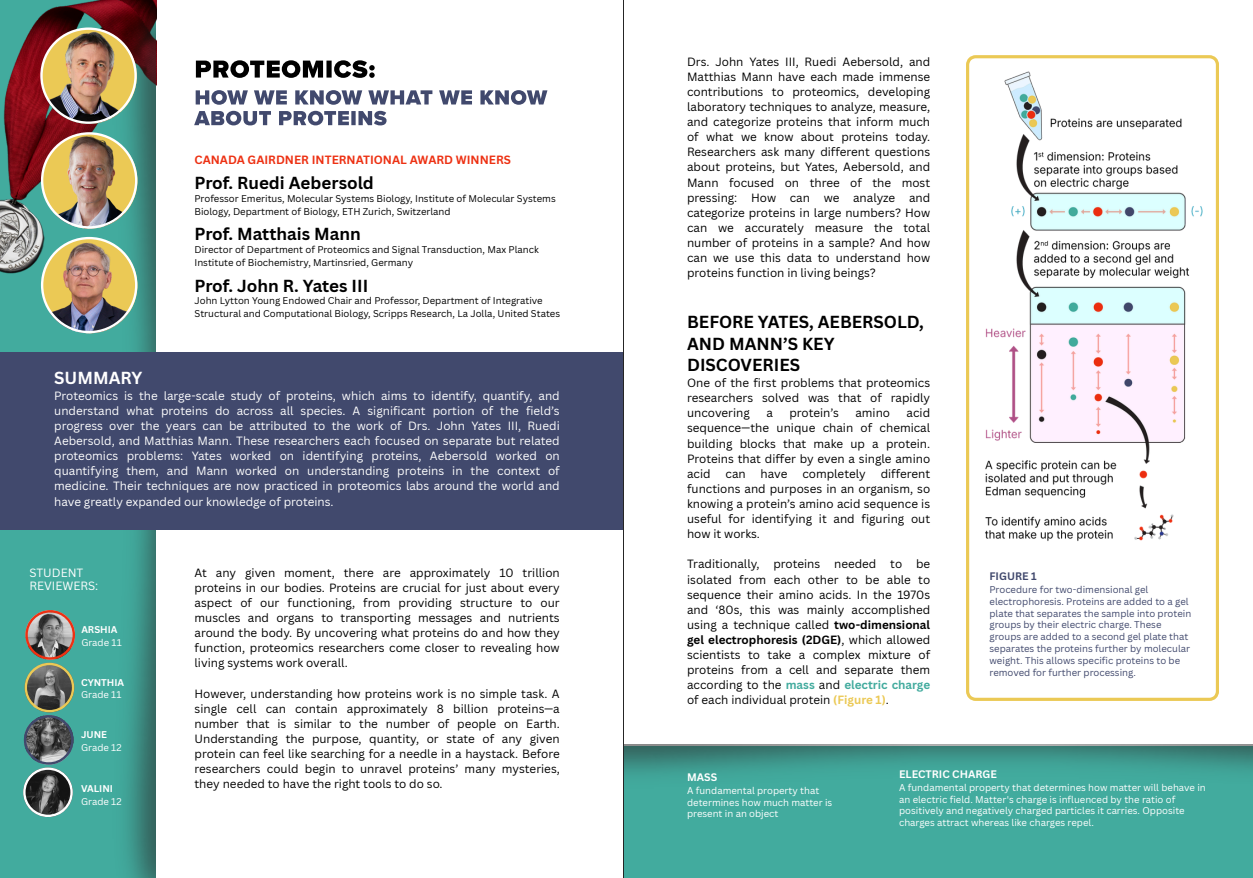
John R. Yates III, Ruedi Aebersold, and Matthias Mann - Proteomics: How we know what we know about proteins
Proteomics is the large-scale study of proteins, which aims to identify, quantify, and understand what proteins do across all species. A significant portion of the field’s progress over the years can be attributed to the work of Drs. John Yates III, Ruedi Aebersold, and Matthias Mann. These researchers each focused on separate but related proteomics problems: Yates worked on identifying proteins, Aebersold worked on quantifying them, and Mann worked on understanding proteins in the context of medicine. Their techniques are now practiced in proteomics labs around the world and have greatly expanded our knowledge of proteins.
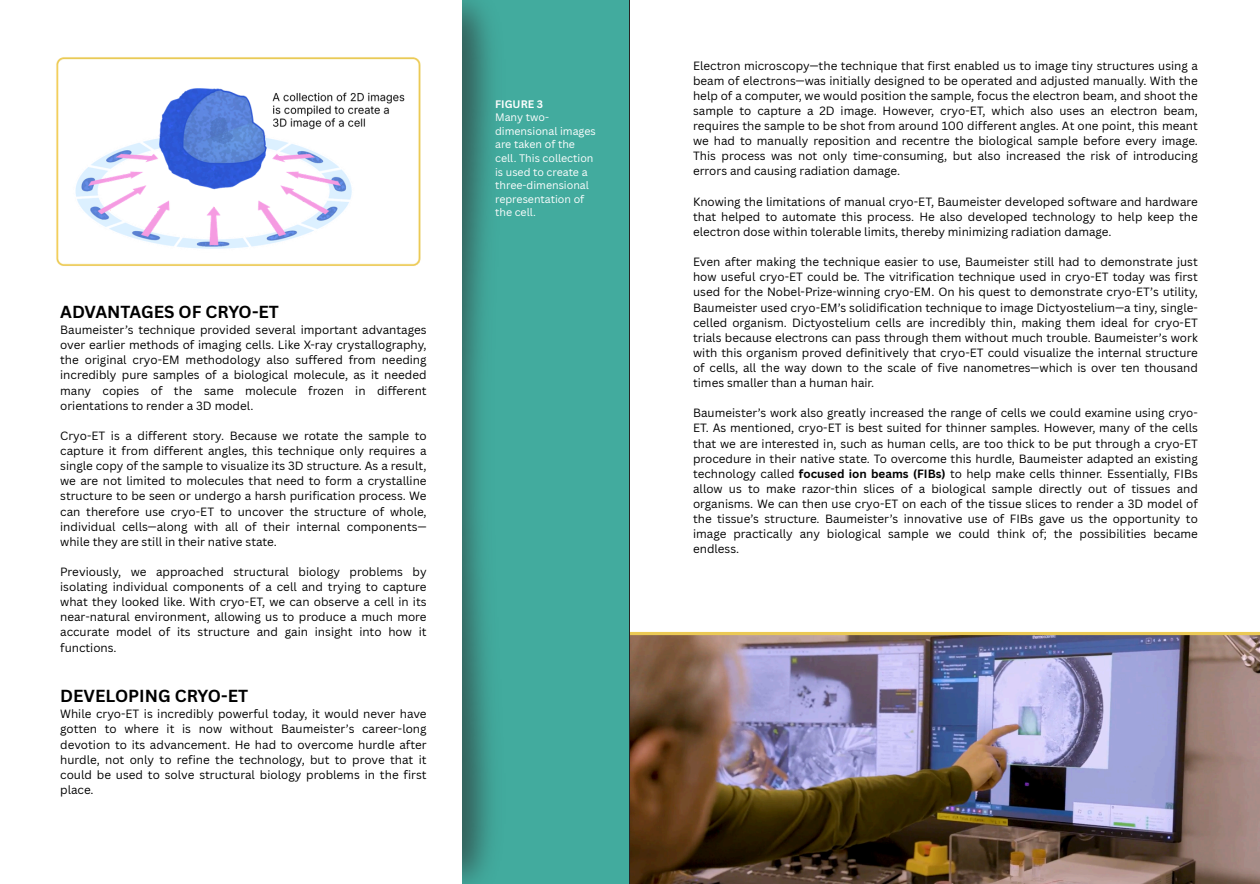
Wolfgang Baumeister - Zooming in on biological molecules: A new perspective
Wolfgang Baumeister developed a technology called cryo-electron tomography which allows researchers to see the 3D structure of the inside of a cell. This method involves flash-freezing cells when they are active and using a beam of electrons like a camera to capture the cell from multiple angles. The result is a detailed 3D image that reveals how molecules interact and come together to form the cell’s inner machinery. Traditionally, scientists studied just one part of a cell at a time. Baumeister’s technology allows researchers to see how these parts fit together, giving us a much clearer picture of how cells are organized and function.
John D. Clemens and Jan Holmgren - From discovery to distribution: Bringing the oral cholera vaccine to the world
Over the past 40 years, Drs. John D. Clemens and Jan Holmgren have worked together to develop the only oral cholera vaccines approved by the World Health Organization (WHO). Cholera is a bacterial disease that causes diarrhea and is often spread through contaminated water. If not treated quickly, cholera can be deadly, particularly in lower income countries where access to clean and safe water may be limited. Throughout their careers, Clemens and Holmgren have devoted themselves to developing and distributing oral cholera vaccines. They have also carried out large studies to demonstrate how well the vaccines work. Their work has saved countless lives and has fundamentally changed how global health organizations respond to cholera.
The collection also offers a preview of the conversations to come during Gairdner Science Week, taking place October 19-23, 2026. Each year, Gairdner Science Week brings Gairdner laureates to universities, schools, and communities across Canada to share their research, inspire students, and demonstrate how scientific discovery improves lives.
About CAGIS
The Canadian Association for Girls In Science (CAGIS) is Canada’s largest and longest-running STEM (science, technology, trades, engineering, and math) club for girls and gender-diverse youth aged 7-17. This award-winning club, founded in 1992, supports interest in STEM with virtual programming and local clubs that visit labs, workshops, and field sites to meet mentors and do fun, hands-on activities.
About Gairdner Connects
Gairdner Connects brings award-winning scientists to communities across Canada to engage, inspire, and spark dialogue. In doing so, it fosters meaningful connections between Gairdner Award-winning scientists and the next generation of researchers. Through interactive events, classroom visits, community discussions, and digital resources, we inspire future innovators and spark dialogue about the role of science in addressing global health challenges.
Related Winners
-
a541199f-d0b6-43cc-94d3-fb0e8d2aa1d6.tmb-cfthumb_fb.jpg?Culture=en&sfvrsn=cc18abc0_1)
Ruedi Aebersold
Professor Emeritus, Molecular Systems Biology, Institute of Molecular Systems Biology, Department of Biology, ETH Zurich, Switzerland -
ef1190a1-9798-4645-b23e-03dfa1ab9da1.tmb-cfthumb_fb.jpg?Culture=en&sfvrsn=3fba8967_1)
Wolfgang Baumeister
Director Emeritus and Scientific Member, Max-Planck-Institute of Biochemistry, Martinsried, Germany; Distinguished Professor, ShanghaiTech University, China -
2d96fa65-0e03-4e84-9f6c-a64a1d81a42e.tmb-cfthumb_fb.jpg?Culture=en&sfvrsn=62dbeff1_1)
John D. Clemens
MD Senior Scientific Advisor to the Director General, International Vaccine Institute, Seoul, South Korea; Adjunct Professor of Epidemiology, UCLA Fielding School of Public Health, Los Angeles, United States -
.tmb-cfthumb_fb.jpg?Culture=en&sfvrsn=9b46cf65_1)
-
-(1).tmb-cfthumb_fb.jpg?Culture=en&sfvrsn=48f39abf_1)
Jeffery W. Kelly
PhD H. Lutcher Brown Professor of Chemistry, Department of Chemistry, Scripps Research, La Jolla, United States -
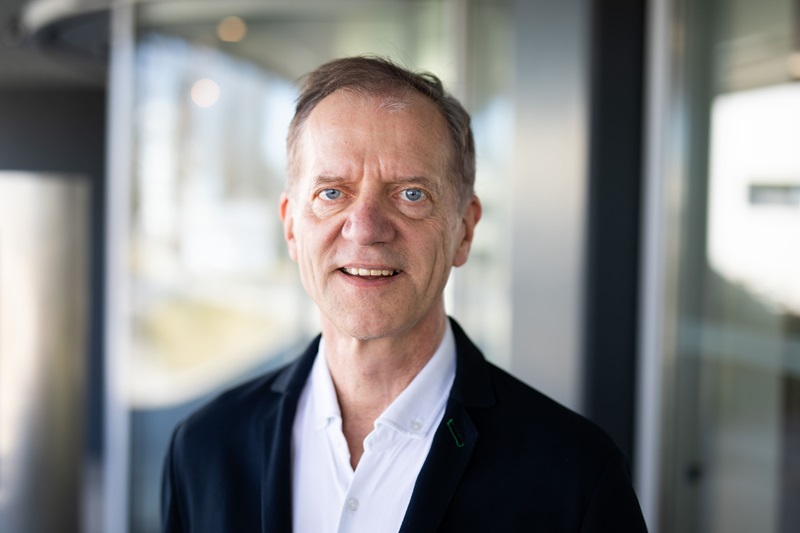
Matthias Mann
Director of Department of Proteomics and Signal Transduction, Max Planck Institute of Biochemistry, Martinsried, Germany -
.tmb-cfthumb_fb.jpeg?Culture=en&sfvrsn=594ac2c7_1)
Karen Maxwell
Professor, Department of Biochemistry, Temerty Faculty of Medicine, University of Toronto, Canada -
.tmb-cfthumb_fb.jpg?Culture=en&sfvrsn=15537493_1)
Aaron Phillips
Professor, Departments of Clinical Neurosciences, Cardiac Sciences, Physiology and Pharmacology, University of Calgary; Associate Dean, Innovation and Commercialization, Cumming School of Medicine, University of Calgary, Canada -
79ee4d99-6a5c-4eb2-892e-90b07c6aec52.tmb-cfthumb_fb.png?Culture=en&sfvrsn=c200012c_1)
John R. Yates III
PhD John Lytton Young Endowed Chair and Professor, Department of Integrative Structural and Computational Biology, Scripps Research, La Jolla, United States
a541199f-d0b6-43cc-94d3-fb0e8d2aa1d6.tmb-cfthumb_s.webp?Culture=en&sfvrsn=cc18abc0_1)
ef1190a1-9798-4645-b23e-03dfa1ab9da1.tmb-cfthumb_s.webp?Culture=en&sfvrsn=3fba8967_1)
2d96fa65-0e03-4e84-9f6c-a64a1d81a42e.tmb-cfthumb_s.webp?Culture=en&sfvrsn=62dbeff1_1)
.tmb-cfthumb_s.webp?Culture=en&sfvrsn=9b46cf65_1)
-(1).tmb-cfthumb_s.webp?Culture=en&sfvrsn=48f39abf_1)

.tmb-cfthumb_s.webp?Culture=en&sfvrsn=594ac2c7_1)
.tmb-cfthumb_s.webp?Culture=en&sfvrsn=15537493_1)
79ee4d99-6a5c-4eb2-892e-90b07c6aec52.tmb-cfthumb_s.webp?Culture=en&sfvrsn=c200012c_1)
Related Partner
-

Canadian Association for Girls in Science
CAGIS- Partner

d596f271-b7eb-4ad7-9248-36230f8daaaa.tmb-cfthumb_s.webp?Culture=en&sfvrsn=c1d6376_1)

.tmb-cfthumb_s.webp?Culture=en&sfvrsn=9de27e66_1)
.tmb-cfthumb_s.webp?Culture=en&sfvrsn=14b5acc1_1)
.tmb-cfthumb_s.webp?Culture=en&sfvrsn=7face192_1)
.tmb-cfthumb_s.webp?Culture=en&sfvrsn=6eb9657a_1)